
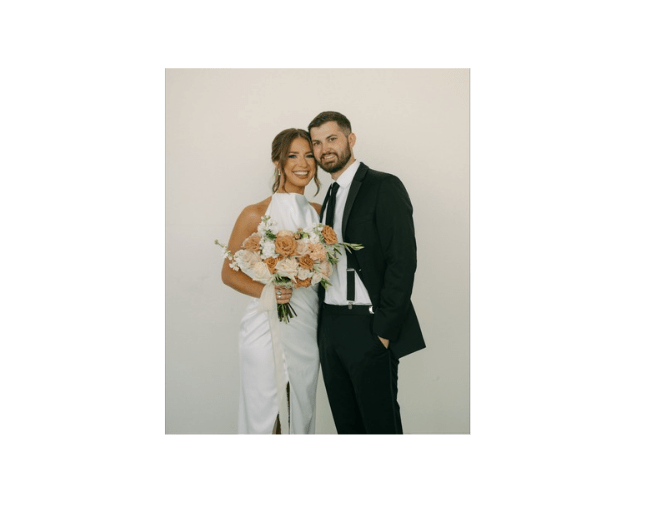
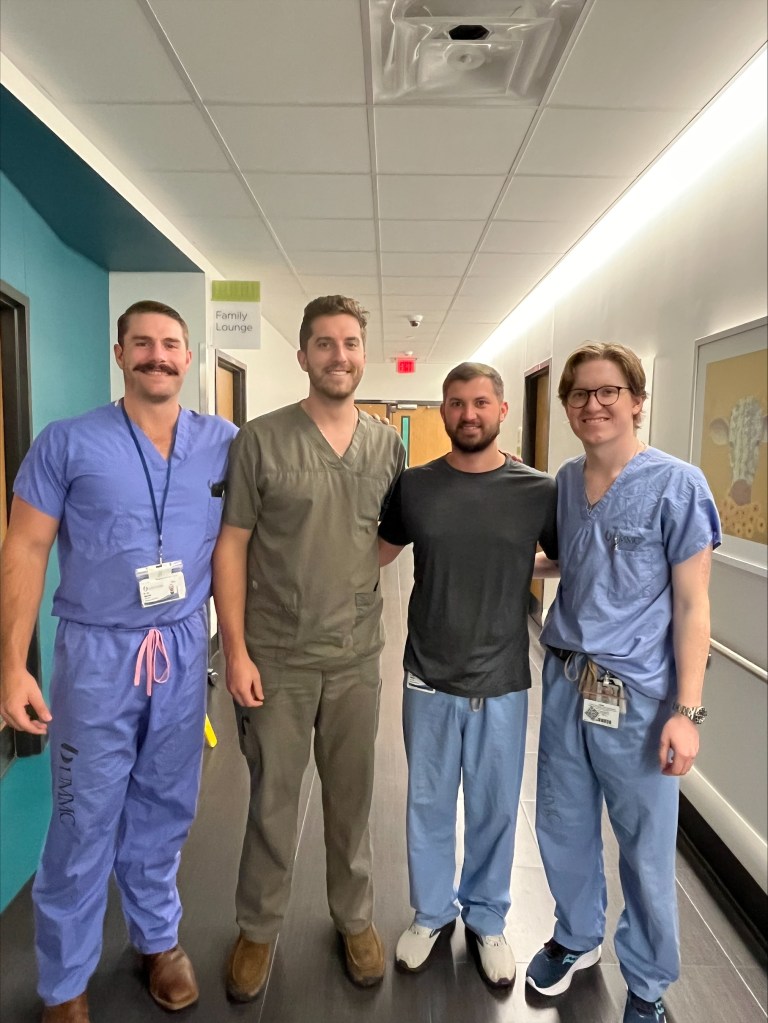
Get to know Dr. Zach Watters, internal medicine PGY-3 resident and soccer enthusiast. Here, he shares his path to medicine and what he will be doing after graduation next month.
Tell us about you. (Where you grew up, college, med school, etc.)
“Where did you grow up?” has always been a tricky question for me. I was born and raised in Memphis, Tennessee until I was 9 years old. Then, on my ninth birthday, my family packed up and moved overseas for my dad’s job. We spent about three and a half years in Baku, Azerbaijan, where I attended a small international school. After a brief return to the States, we moved again—this time to Istanbul, Turkey. Living in Istanbul was truly extraordinary, and although we were only there for about two and a half years, it still feels a little like home.
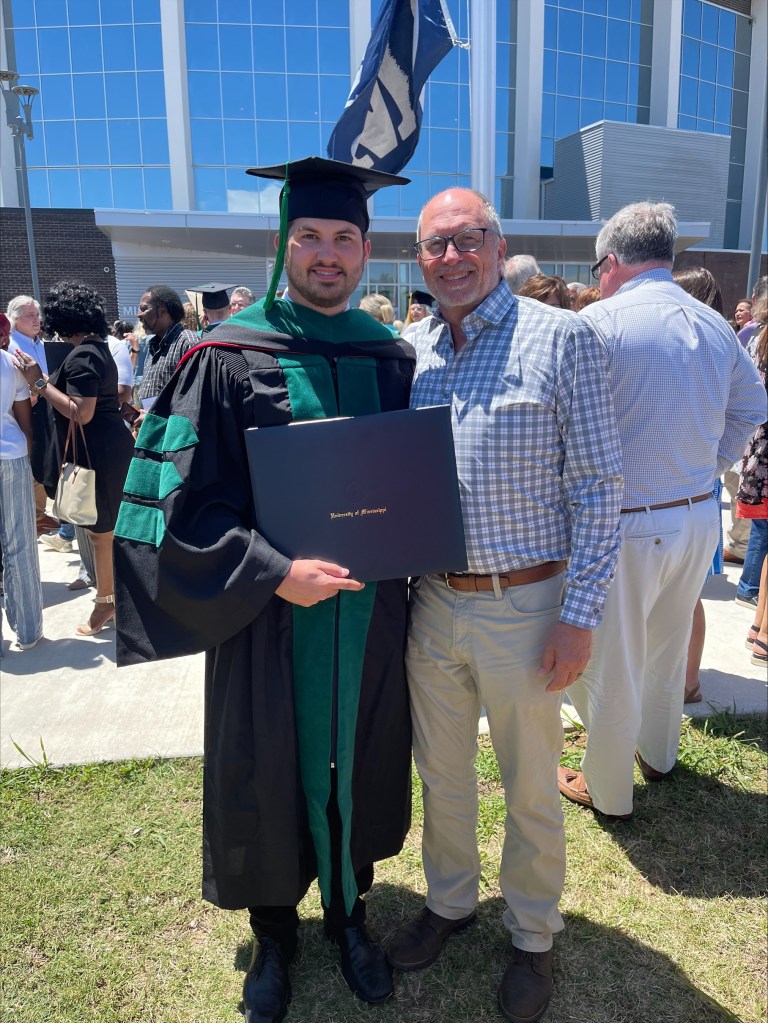
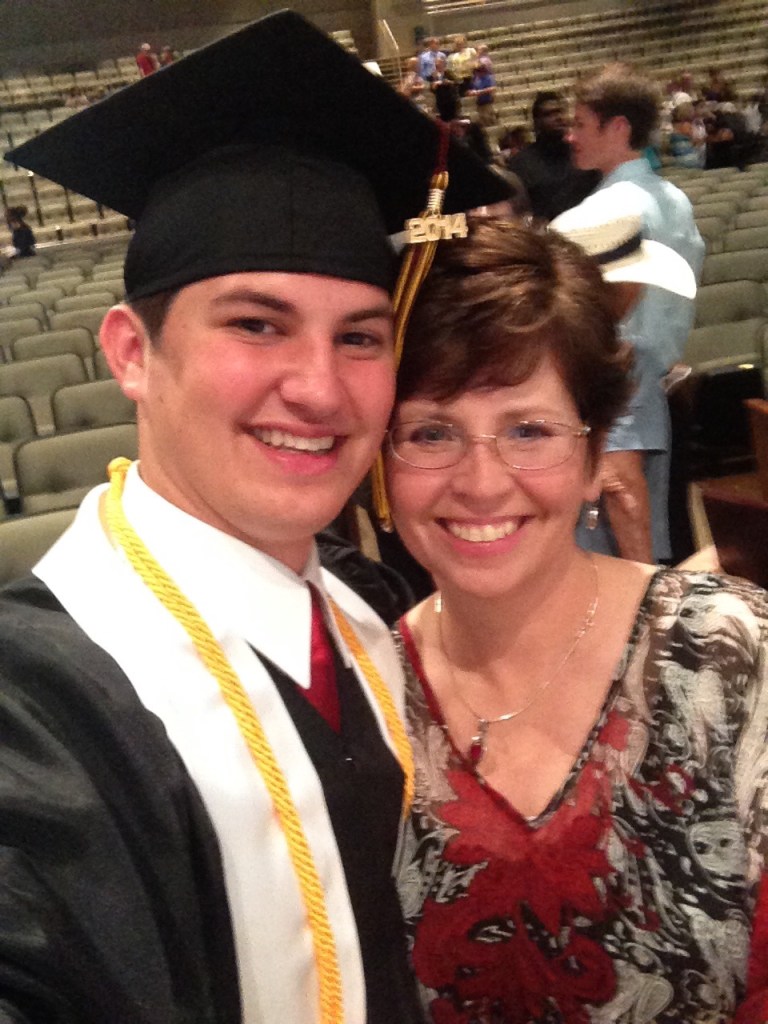
We moved back to the U.S. just before my sophomore year of high school in 2011 and settled in Mississippi, where I’ve been ever since. I finished high school at Germantown and went on to attend Mississippi College. I graduated a year early so I could take a breather from school and get some hands-on experience in healthcare. I worked as a tech in the ER at UMC while applying to medical school and was fortunate to be accepted here. I’ve stayed for residency, and I’m so glad I did.
Most recently, in August 2024, I married my wonderful wife, Emily. We’re currently loving married life and preparing for our next adventure – moving to Cleveland, Mississippi, where I’ll be working at Bolivar Medical Center practicing both inpatient and outpatient care.
Why did you choose UMMC for residency?
UMMC is truly a special place. I had many reasons for wanting to stay here, but my earliest inspiration came during undergrad when my mom was being treated for breast cancer. Watching the care she received from people like Dr. Craft, Dr. Mangana, and their teams left a lasting impression. I knew then that I wanted to train under physicians of that caliber.
I hadn’t settled on a specialty until my Internal Medicine rotation in medical school. I remember being captivated by how confidently the residents approached complex medical problems, and the depth of their knowledge was remarkable. That rotation solidified my choice that UMC was the place I wanted to train.
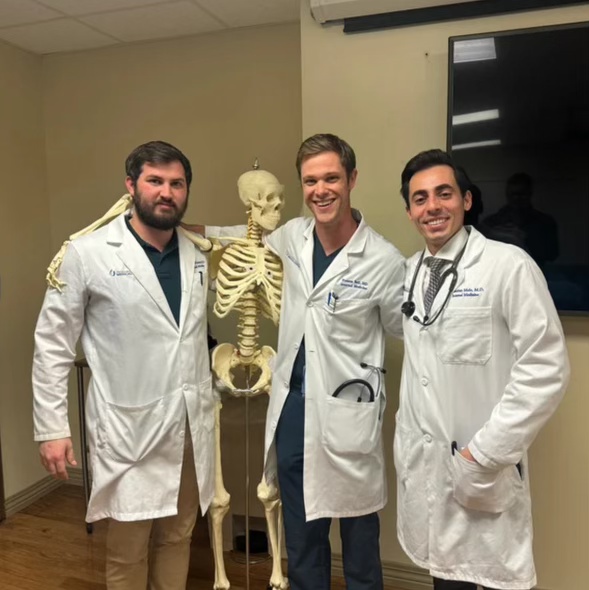
Now, at the end of my training, I can say with certainty it was the right choice. My co-residents, our fellows, and our attendings have created a learning environment that’s both supportive and rigorous. I’ve grown more than I could have imagined, both professionally and personally.
Tell us about a memorable experience from training.
There are honestly too many memorable moments from residency to mention just one, but the ones that stand out often seem to involve “code blue” situations.
I’ll never forget my first code in the MICU as an intern where I completely froze and my upper level, Dr. Paschal, had to take over. We laugh about it now as it is probably my most embarrassing moment of residency. There was another time I had to push a patient in a broken stretcher across the hospital while an ICU fellow was holding the patient’s ET Tube in place, Dr. Sandesara was checking for a pulse, and Dr. Tidwell was delivering breaths. One particularly stressful night at the VA involved multiple sick admissions, several codes, and a handful of urgent procedures that my co-resident, Dr. Jones, and I somehow managed to handle. We joked after that shift that we shouldn’t ever work together again. Dr. Ogletree and I got wrapped up in a particularly long code in the cath lab on a Thanksgiving day afternoon.
I’ll also never forget a different Thanksgiving morning when I got stuck in an elevator. The doors closed, wouldn’t open, and the elevator didn’t budge. I can still hear the voice of my upper-level, Dr. Tidwell, through the elevator doors saying, “We’re gonna get you outta there, buddy!” I took a seat and spent the next hour and a half waiting for the technician to come rescue me while I prepared for rounds by writing down morning labs while watching a World Cup game
I think what makes those experiences (and many others) stand out is that in every one of them, there were people who stepped in and taught me valuable lessons that have shaped the physician I’ve become.
What could you give a 40-minute presentation on with absolutely no preparation?
Soccer – without question. I could go on for hours about the ins and outs of the leagues and tournaments, how promotion and relegation work, the Champions League format, etc.
What are some small things that make your day better?
At work, it’s the little moments where I run into a co-resident and swap stories or just catch up. That camaraderie makes the tough days easier and is something I’ll truly miss after we all graduate.
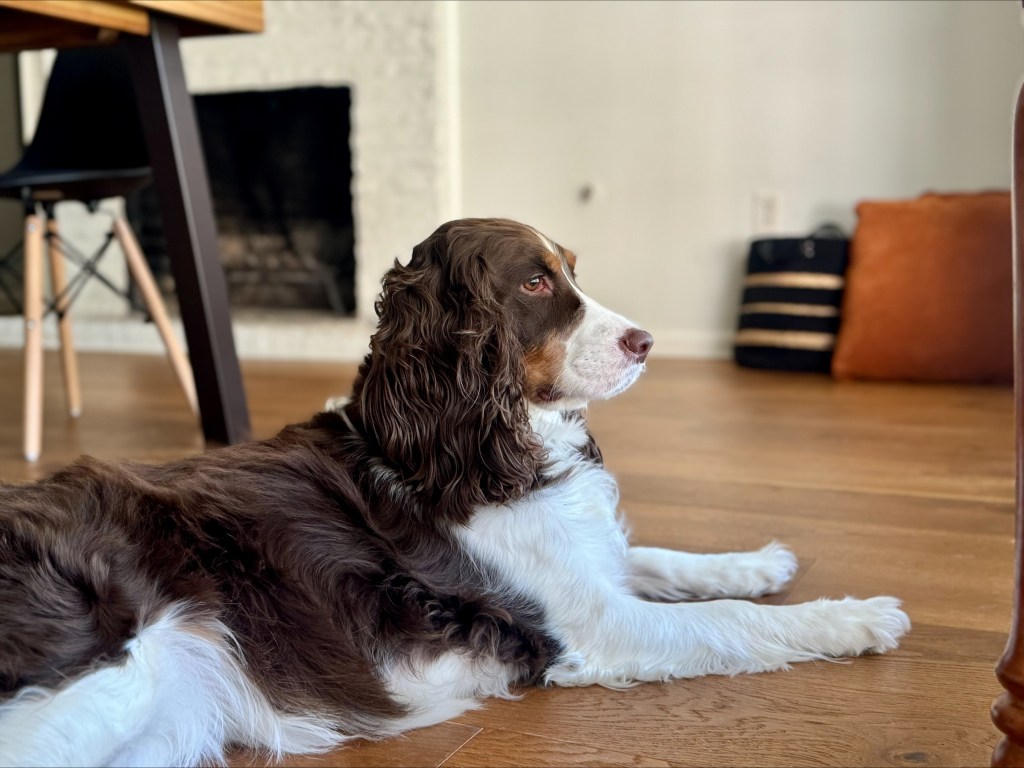
Outside of work, quiet evenings with my wife are what I look forward to the most, either watching a movie or playing with our spaniel. Those moments bring me a lot of joy.
Where could we find you when you are not at the hospital?
As much as I’d love to say you’d find Emily and me relaxing on a beach or exploring a new country, you’re more likely to find us on the couch, catching a soccer match or watching a movie. I’m a big fan of film and TV and always on the lookout for something new to watch, especially after a long day at work.
What profession would you have chosen if you weren’t a physician?
This is probably the hardest question to answer, but if I weren’t a physician, I think I would have become a nurse—like my mom. She was amazing at what she did and the one who first inspired me to pursue a career in medicine. There’s something really meaningful about the idea of following in her footsteps. She actually worked here at UMC, and every time I care for a patient, I try to do it with the same empathy and attention to detail that she would have shown.

 Progress Notes